
Best Historical Events

Best Historical Events

The Origin of Santa Claus History: From Saint to Christmas Legend

Before he became the jolly man in red, Santa Claus was a humble bishop whose acts of kindness transformed into a timeless legend of generosity.

Every December, millions of children wait for Santa Claus to arrive with gifts and joy. But behind the modern image of the cheerful man from the North Pole lies a remarkable story—one that began more than 1,600 years ago, in a time of faith, folklore, and transformation. But, what is the origin of Santa Claus story?

Saint Nicholas of Myra: The Man Behind the Myth

The real Santa Claus was Saint Nicholas, a 4th-century Christian bishop from Myra, in what is now Turkey. Born into a wealthy family, Nicholas chose a life of faith and charity.


According to legend, he secretly helped the poor—leaving coins in shoes, rescuing sailors in storms, and providing dowries for girls who could not afford to marry. His compassion made him one of the most beloved saints of the early Christian world.


After his death, stories of his miracles spread rapidly across Europe. By the Middle Ages, Saint Nicholas was honored as the patron saint of children, sailors, and travelers—his name synonymous with generosity and protection.

From Saint Nicholas to Sinterklaas

As Christianity spread through Europe, Saint Nicholas’s image evolved. In the Netherlands, he became Sinterklaas, a bishop dressed in red robes who arrived each December on a white horse to reward good children.


When Dutch settlers sailed to North America in the 1600s, they brought the Sinterklaas tradition with them. Over time, the name “Sinterklaas” morphed into “Santa Claus,” blending old European customs with new American imagination.

The Making of the Modern Santa

The 19th century reinvented Santa Claus as we know him today.
In 1823, the poem “A Visit from St. Nicholas”—also known as “’Twas the Night Before Christmas”—introduced the image of a merry man flying across the night sky in a sleigh pulled by reindeer.


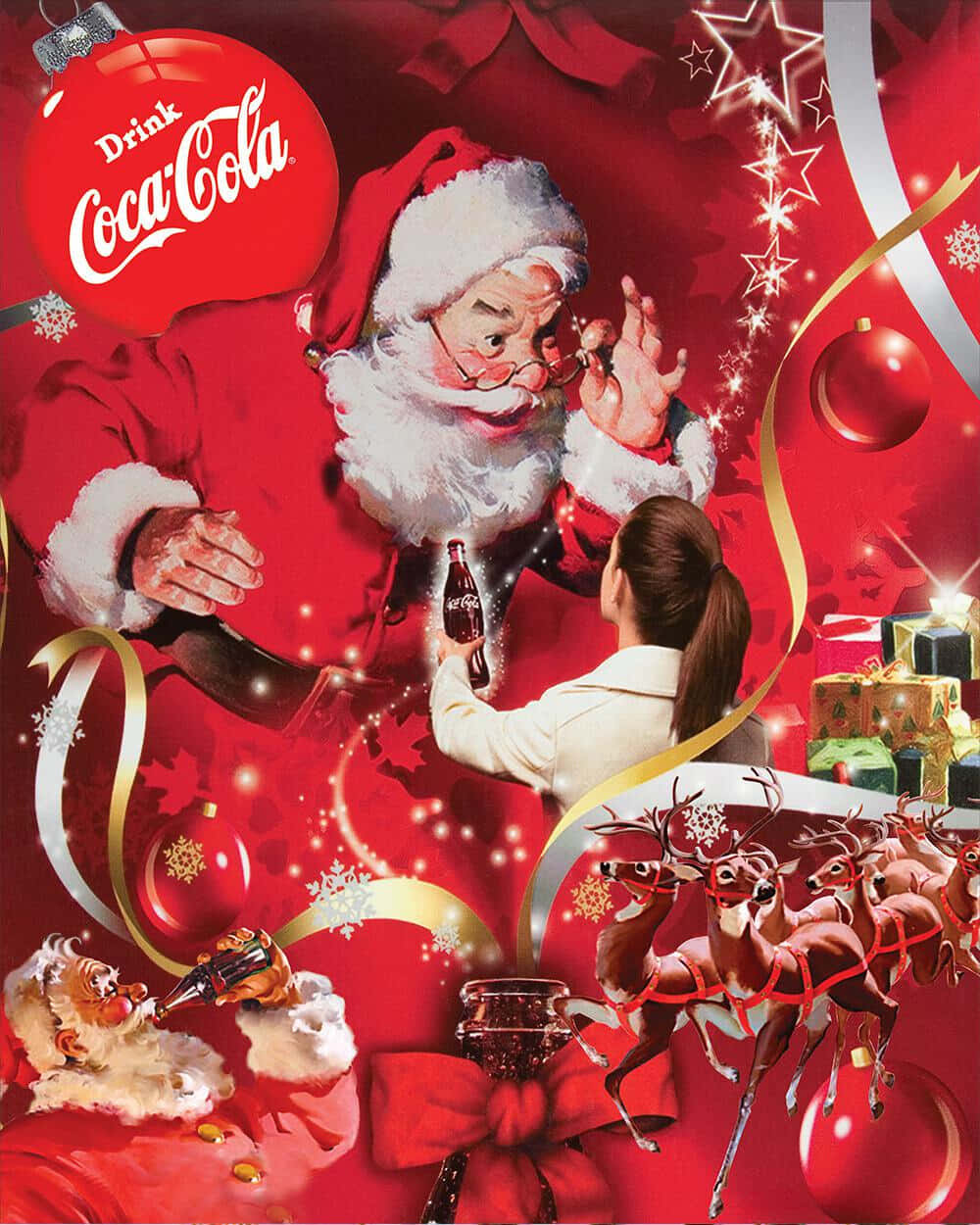
Later, political cartoonist Thomas Nast gave Santa his North Pole workshop and the famous “naughty or nice” list. Finally, Coca-Cola’s 1930s advertisements popularized the red suit, white beard, and warm smile—cementing Santa’s image in modern culture.

A Universal Symbol of Generosity

Today, Santa Claus is more than a Christmas character—he’s a global symbol of kindness and joy. Known as Père Noël, Father Christmas, Papá Noel, and many other names, his spirit transcends borders and religions.


From Saint Nicholas’s quiet acts of giving to the worldwide legend we know today, the story of Santa Claus reminds us of one simple truth:

The greatest gifts are those given with love, not wrapped in paper.

The Outstanding Story Behind a Christmas Icon

The Origin of Santa Claus History: From Saint to...

Alexander the Great’s Greatest Battles (And How He Won Them All)

Alexander the Great’s Greatest Battles (And How He...

The 5 Most Powerful Nukes Ever Detonated ( The City Erasers)

The 5 Most Powerful Nukes Ever Detonated (Capable...

Ancient Greek Philosophers’ Famous Quotes (Explained Simply)

Ancient Greek Philosophers’ Famous Quotes...
Top 5 Lesser-Known Greek Gods and Their Mysterious Powers

Top 5 Lesser-Known Greek Gods and Their Mysterious...
Proxy Wars Explained: How Superpowers Fight Without Fighting

Proxy Wars Explained: How Superpowers Fight...